mercedes extended warranty reviews: a clarity-driven comparison guide
What owners consistently highlight
Predictable repair costs calm the mind; guessing rarely does. Reviews cluster around two themes: the factory plan offers steadier outcomes, while third-party contracts can trim price but add approval steps. People don't want surprises - they want expectations they can plan around.
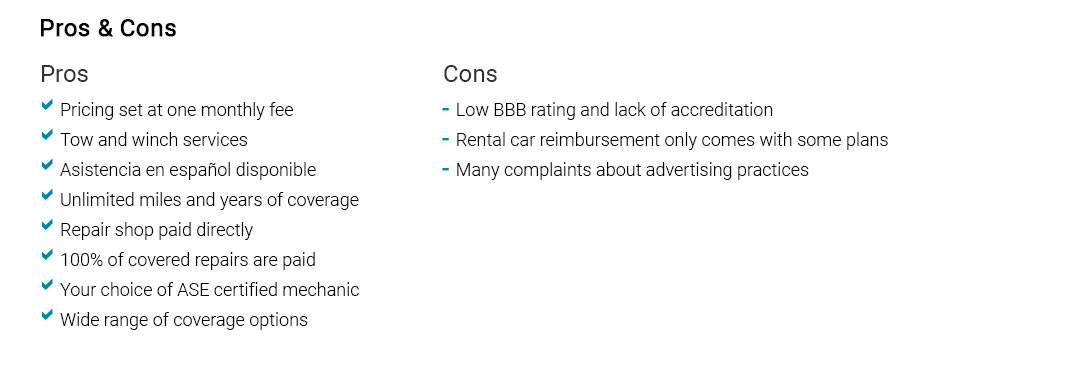
Cost vs. hassle: Third-party plans can be cheaper, yet claim approvals may take longer and sometimes require inspections.
Peace of mind: Owners value clarity more than theoretical maximum savings.
Factory Extended Limited Warranty (ELW) vs third-party contracts
Factory ELW: strengths and watch-outs
Stability: Dealer techs, OEM diagnostics, and faster authorization cycles.
Coverage scope: Major mechanical and electrical systems; routine wear is excluded.
Terms: Commonly 1 - 3 years additional time, up to 100,000 total vehicle miles.
Deductible: Often $0 per repair visit.
Transferability: Typically transferable to a private buyer (sometimes with a small fee).
Cost: Frequently reported in the $2,000 - $4,500 range, varying by model and mileage.
I called it "no out-of-pocket" at first - more accurate to say $0 deductible on covered repairs; a few owners still note minor incidentals like shop supplies that aren't part of the contract.
Third-party administrators: strengths and watch-outs
Price: Often lower upfront, more term flexibility.
Timing: Options even after the factory warranty ends.
Labor rates: Some contracts cap below dealer rates; the gap can be yours.
Claims: Pre-authorization and occasional inspector visits slow things down.
Exclusions: More carve-outs; performance/AMG or advanced tech may trigger surcharges.
Transfer: Usually possible but with varying paperwork and fees.
What reviews say about expectations vs reality
Electronics are covered - mostly. Instrument clusters, infotainment head units, cameras: often yes. Cosmetic issues or map updates: usually no.
Maintenance ≠ warranty. Brakes, tires, fluids, and alignments are on you.
Roadside and rentals. ELW focuses on repairs; towing may come from separate assistance. Loaners are dealer courtesy, not guaranteed. Real-world moment: On a weekday visit for a flickering COMAND screen in a 2018 E300, the advisor filed the ELW claim and it was approved the same morning. I assumed the warranty covered the loaner - correction: the dealership provided it as a courtesy, not the contract.
Big-ticket wins happen. Owner reports cite approved repairs for oil cooler lines, turbo wastegate actuators, rear air suspension compressors, and camshaft adjuster solenoids with $0 deductible under ELW. Third-party plans have paid similar items, but a few denials referenced "pre-existing" conditions noted during inspections.
Coverage boundaries you should check line-by-line
Mileage limit: ELW usually tops at 100,000 total miles.
Commercial use: Rideshare/delivery often excluded unless specified.
Aftermarket mods: Tunes and non-OE parts can complicate causation.
Diagnostic time: ELW often covers; some third-parties cap hours.
Contamination and environment: Rodent wiring damage or water ingress are commonly excluded.
Cost expectations, set for stability
Factory ELW tends to cost more but delivers consistent, low-friction repairs. Third-party plans can be thriftier up front; budget extra time for authorizations and verify labor rate caps to avoid surprises. If stability is the goal, most reviews lean factory. If price sensitivity dominates, a carefully chosen third-party contract can work.
Who benefits most
Owners planning to keep the car into the 70k - 100k mile window who value predictability.
Tech-heavy models (S-Class, GLS, E with advanced driver aids) where components run expensive.
AMG buyers who accept higher plan pricing and occasional coverage quirks.
Second owners who want clean resale narratives; transferability helps.
Practical buying tips from comparison-style reading
Request quotes before the 4yr/50k new-car warranty expires; mileage moves prices.
Demand the full contract booklet - brochures gloss over caps and exclusions.
Confirm deductible, labor rate policies, and diagnostic coverage in writing.
Check transfer rules, fees, and notification deadlines.
For third-party, prioritize exclusionary coverage and labor rates matching your service center.
Mini scorecard
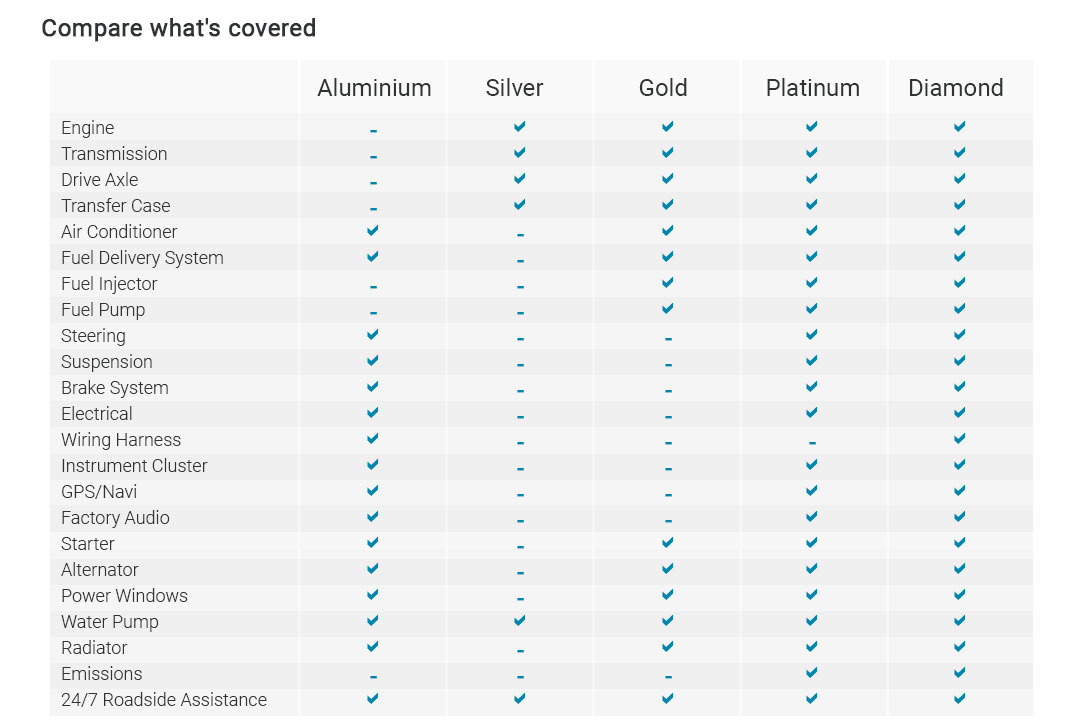
Coverage depth (ELW vs third-party): High vs Medium - High (tier-dependent).
Claim friction: Low vs Medium.
Price predictability: Medium vs Medium - High upfront, but variable at claim time if caps apply.
Resale impact: High vs Medium (transfer ease matters).
Bottom line
If your priority is stability and clear expectations, the factory ELW earns stronger reviews for seamless experiences. A well-vetted third-party plan can still be sensible - just align terms with your service habits and tolerance for process. Not every owner needs extra coverage, but those who dislike variability often appreciate the calm it brings.